Tattoo Price Guide · Sector 67, Golf Course Extension Road, Gurgaon
Tattoo Prices
in Gurgaon
Gurgaon has a lot of tattoo studios, and every one of them prices differently. Every number we charge is on this page, next to what studios across Delhi NCR charge. No studio can quote you a final price before seeing your design. This page explains why, so you can judge whether a price is fair.
2,500+
Gurgaon Clients
Since 2023
Since 2023
5.0★
On Google
235 Reviews
235 Reviews
0
Infections
Since 2023
Since 2023
Free
Touch-Ups
Google Reviews5.0
Hygiene & Safety5.0
01 / How Pricing Works
Three ways a tattoo
gets priced in India
Indian studios price a tattoo in one of three ways. Ask which one you are being quoted on before you compare two studios.
01
Per square inch
Your artist measures the length and the width of the finished tattoo and multiplies them. A design 3 inches by 3 inches is 9 square inches. That total is then multiplied by the per-inch rate. This works best for small tattoos.
02
Per hour
You pay for the artist’s time, counted from when the tattoo starts rather than from when you arrive. A more experienced artist charges a higher hourly rate and usually needs fewer hours. This works best for medium-sized tattoos.
03
Per session
One full day of work, usually five to six hours including breaks and design time. Your artist takes no other client that day, so a large piece moves in one continuous sitting instead of being spread over weeks. Most large pieces are priced this way.
04
The setup charge
Not a fourth way of pricing. It sits on top of whichever way applies, and pays for your sterile station: single-use tubes and grips, ink caps, razors, cling film, gloves, dermal wrap and the autoclave cycle. Most studios never name it, they bury it in a higher first inch and collect it on every tattoo you get. We charge it once, at ₹1,500.
02 / What Decides It
What actually decides
the price of your tattoo
Five things decide your price. Placement is the one most people misunderstand.
01
Size, then placement
The bigger the tattoo, the longer it takes and the more material it uses, so the price rises with size. Placement then sets that size. A back is a large canvas, so a design has to be large to sit right on it. The same design on the back of a hand would be smaller. Your artist advises the size the canvas calls for.
02
Detail
A line art design is mostly clean lines, so it is quicker to tattoo. A realism piece needs every feature shaded, so the same size takes far longer and needs a more experienced artist. Two tattoos of the same size can cost very different amounts.
03
Colour
Colour ink costs more than black. Colour and black cannot share a cartridge, so a colour piece uses more of them. Both are material costs.
04
Cover-ups
A cover-up costs more than new work. The design is built around the old tattoo and has to be bigger than it. The old ink is packed over in grey first, then the new piece goes on top with white worked in to lift it. More ink, more hours, and an artist who has done it before.
05 / Your Skin
The part almost every guide skips
Nearly everything written about tattoos assumes lighter skin. On deeper skin tones, and that is most Indian skin, colour behaves differently. Deep reds, rich purples, forest greens, royal blues, magentas and black hold and read well. Pastels, yellows and pale flesh tones do not. They have too little contrast against the skin and look faded even when the ink is exactly where it should be.
The ink also has to be packed more densely and more evenly, and healing varies from person to person, so the work simply takes longer to do properly.
And depth matters more than most people realise. Deeper skin is more prone to hyperpigmentation and to keloid scarring if it is overworked or the needle goes too deep. An artist who has not learned this on your skin type can leave you with a scar, not just a disappointing tattoo. It is a fair question to ask any studio before you sit down.
03 / Why It Varies
Why the same inch
costs ₹300 or ₹1,200
Because you are not buying the same thing. Four things separate the ends of that range, and not one of them is visible in the price.
01
Where the studio is
Rent, salaries and supply costs are higher in Delhi NCR than in a smaller city, so a quote from Jaipur and a quote from Gurgaon were never directly comparable. Worth knowing before you assume someone is overcharging.
02
Who is holding the machine
Years, training, and what they have actually won. An artist with eight years and convention awards behind them books out further and costs more per hour than someone in their second, and the difference stays visible long after you have forgotten what you paid.
03
What goes into your skin
Imported EU REACH compliant ink costs several times what the cheapest ink costs. A medical-grade cartridge holds the needle steady, and a cheap one can tear skin instead of laying ink into it, which shows years later as blowout. Ask any studio to show you both.
04
What happens between clients
How often the cling film over the workstation is replaced. Whether the bed itself is sanitised between clients. How often gloves are changed. None of this shows in a portfolio, and it is the part that decides whether you get an infection.
04 / Recognised Work
Award-winning tattoo
artists in Gurgaon
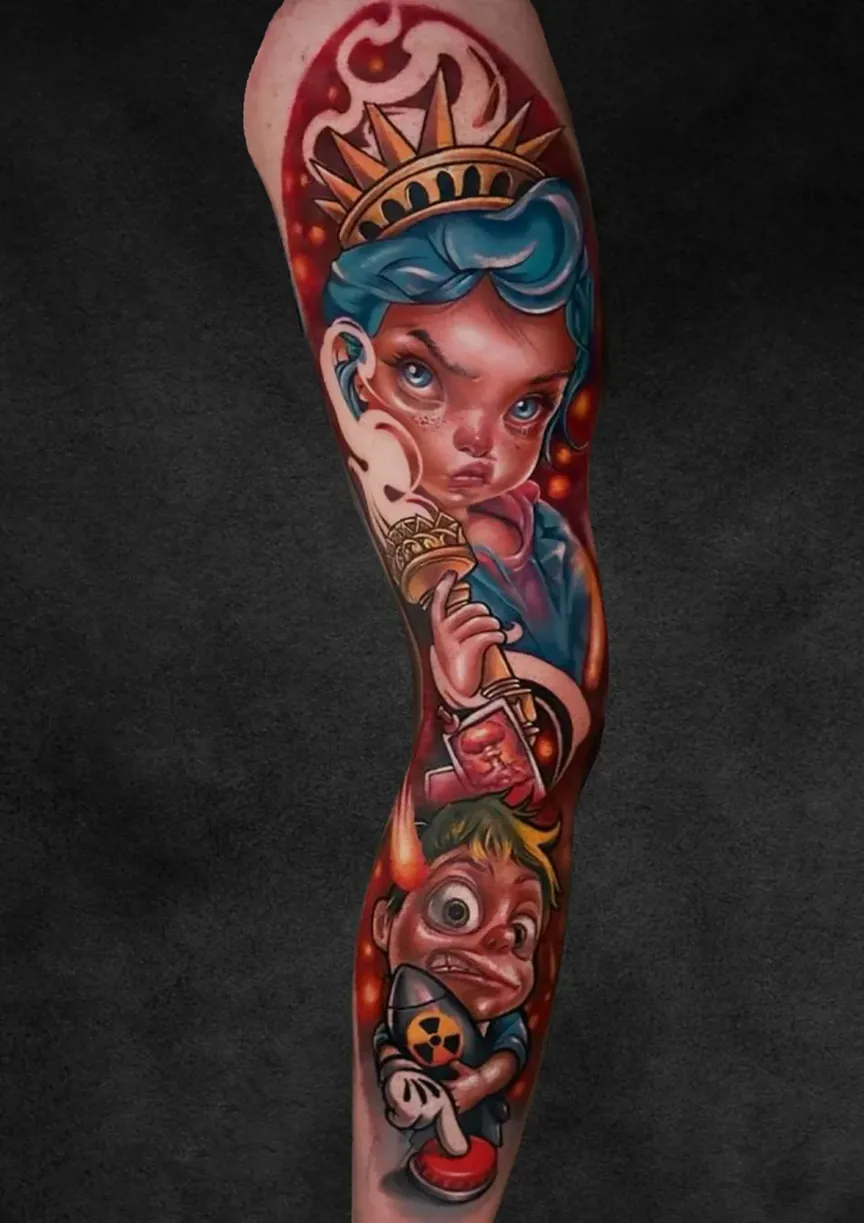
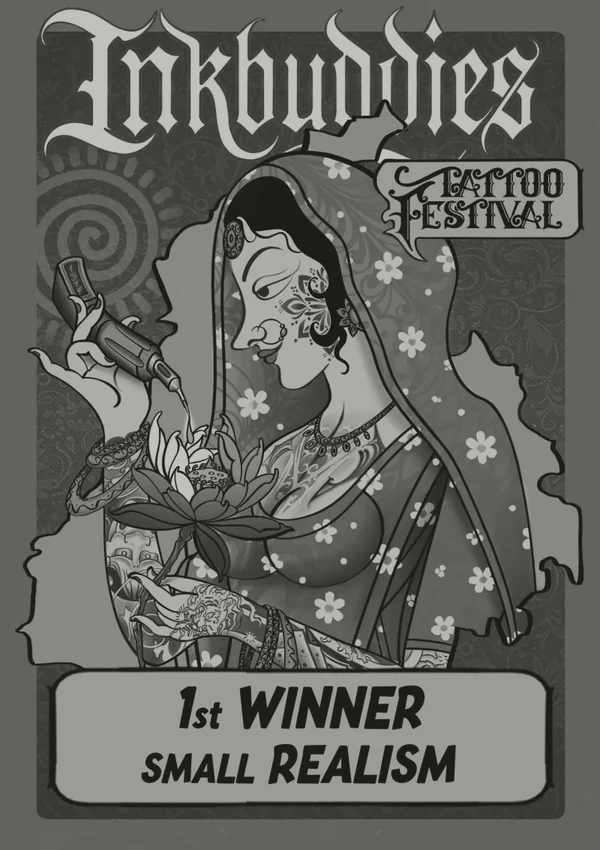
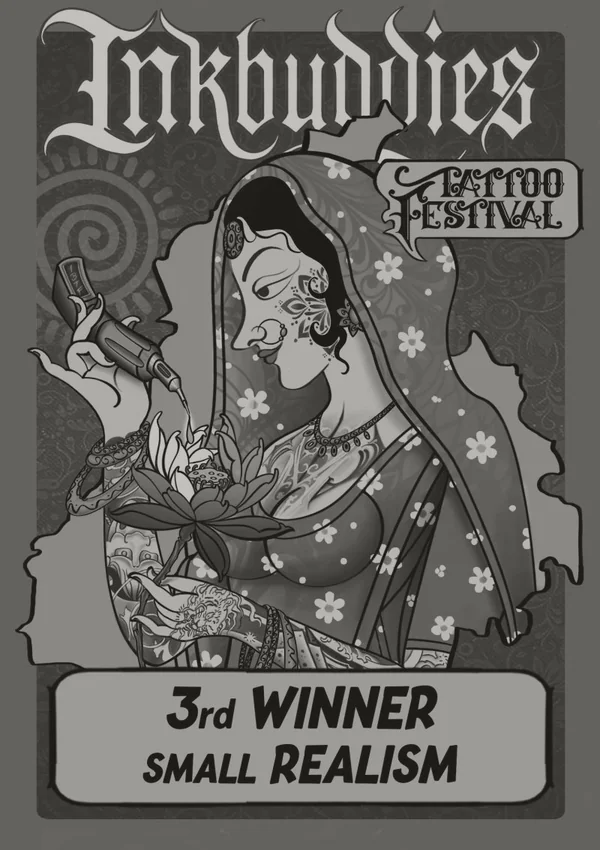
Rebel competes and walks away with awards. Most recently at the Inkbuddies Tattoo Festival 2025 in Ludhiana, recognised across multiple categories including Small Realism and Best of the Day.
05 / Our Pricing
Where we sit
in that range
We are not the cheapest studio in Gurgaon and we are not trying to be. Here is what we charge, with smaller studios on one side of us and the top studios in Delhi NCR on the other.
| Method | Smaller studios | Rebel Tattoos | Other Top Delhi NCR Studios |
|---|---|---|---|
| Per square inch | ₹500 to ₹1,000 | ₹900 to ₹1,500 | ₹1,000 to ₹2,500 |
| Per hour | ₹7,000 to ₹10,000 | ₹10,000 | ₹10,000 to ₹15,000 |
| Per session 6 hours approx. | ₹15,000 to ₹20,000 | ₹25,000 to ₹35,000 | ₹30,000 to ₹1,20,000 |
| Setup cost | ₹1,000 per tattoo | ₹1,500 one time | ₹2,500 per tattoo |
A table can only show the price. What the cheaper column does not include is an award-winning artist, ink that is EU REACH compliant, needles opened in front of you, and three years without a single infection.
01
We sit in the middle of it
Not the cheapest, not close to the most expensive, and deliberately so. Only a handful of studios publish their rates at all. One in Gurgaon that does starts its smallest tattoo at ₹5,000 and charges ₹2,500 as setup cost. Ours are ₹2,400 and ₹1,500.
02
Your artist picks the cheaper way
Your price is worked out all three ways and you are quoted the cheapest. A small piece usually comes out lowest per square inch. A piece that will take a full day comes out lowest as a session rather than by the hour. You are always guided to the option that costs less.
03
The one line we do not cross
We will not price against a studio charging ₹500 a square inch. That gap is not margin we are protecting. A studio that agrees to match that number has to take it out of something, and it will not be the rent.
06 / What You Get
What you get
for what you pay
What goes into your skin is imported and made to international standards, and the ink is EU REACH compliant. Since 2023 that has meant zero infections and more than 2,500 happy clients.
01
The machines
Cheyenne and Utopian, both imported professional machines. What matters in a machine is a steady, even needle stroke. That is what makes a line heal crisp instead of patchy, and it is the difference you see two years later, not on day one.
02
The cartridges
Kwadron and Cheyenne, single-use, opened from sealed packs in front of you and disposed of in front of you. A medical-grade cartridge holds the needle steady. A cheap one drags and tears skin instead of laying ink into it.
03
The ink
Quantum, imported from California. Vegan, kosher and cruelty-free, and EU REACH compliant, the strictest standard there is for what may go into skin. Cheap ink fades and shifts colour within a few years.
04
The dermal wrap
Saniderm or OG over the finished tattoo, worn three to five days. Breathable polyethylene. Ordinary cling film is not breathable and traps bacteria against an open wound.
05
The station
Built fresh for your session: single-use tubes and grips, ink caps, razors, cling film over the workstation and over the machine, and an autoclave cycle on every instrument that is not disposable. New gloves every time your artist steps away and comes back.
06
After you leave
Aftercare guidance before you go, a studio that stays reachable on WhatsApp and provides free touch-ups. The only exception is fingers and back of the hand tattoos: sun, heat and constant washing fade them, so we tell you before you sit down that touch-ups there are not included.
Ready to book?
Bring your idea, leave with a Rebel piece. In Sector 67, Gurgaon.
Book a Free Consultation
* No hidden charges, no added cost.
07 / The Work
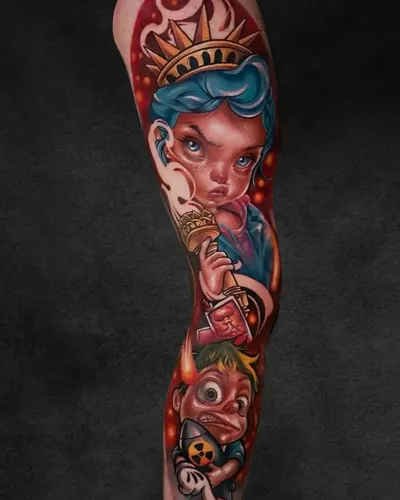
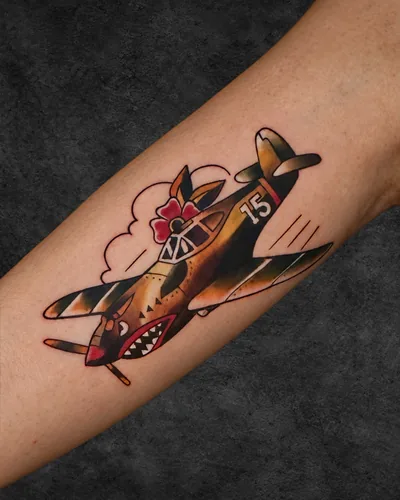
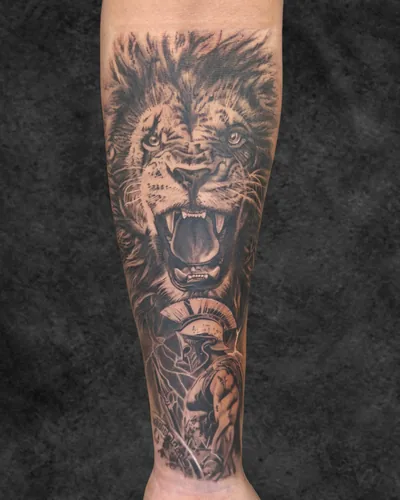
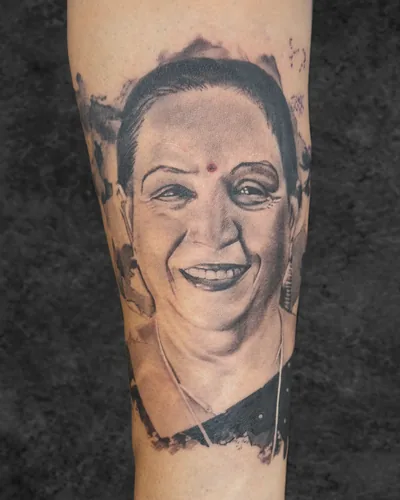
Recent work by Rebel's Gurgaon tattoo artists
Realism, fine line, blackwork, watercolour, dotwork. Custom designed for the client. Signed by the studio.
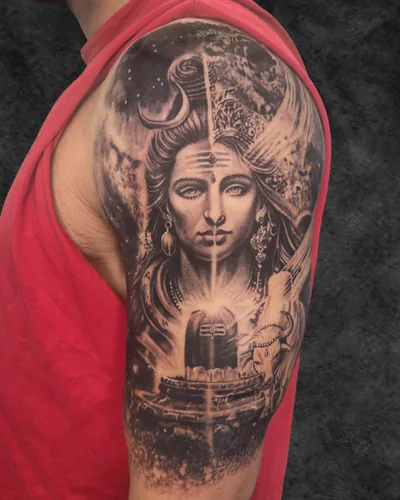


Award · Inkbuddies '25



View the full tattoo gallery →
Like what you see?
Bring your reference, or build the idea with our artists in studio. Slots fill fast on weekends.
Book a Free Consultation
08 / What Is At Stake
The one purchase
worth not negotiating on
A tattoo is permanent. That is why the cheapest option is often the most expensive choice you can make.
01
You pay twice
We do a great many cover-ups, and a large share are pieces someone had done somewhere cheaper and has lived with since. A lion that does not look like a lion. Linework that healed into a smudge. Those we can usually put right, and it costs more money, more sessions and more pain than the original piece ever did.
02
And some cannot be put right
Skin that is worked too hard becomes embossed. Once a tattoo has healed raised there is no remedy, and a cover-up will not go over it either. Nothing will. That is why this is a decision to make with the full picture in front of you, not in a hurry.
03
It is not a shirt
If you buy one online and it turns out badly, you are annoyed for an afternoon and you never wear it. Nobody makes you put it on every morning for the rest of your life.
09 / The Consultation
What actually happens
at a free consultation
A firm price cannot exist before the design does. Size, placement, detail and colour all change the number, and none of them is settled until an artist has seen what you want. Here is how it goes, step by step, with the artist who will do the work.
01
You walk in with an idea
You walk in with a reference, an image, or just an idea. Your artist sits with you, understands your vision, and starts working on the design from there.
02
Your artist designs it
They suggest elements, build on what you brought or draw something new, then share a tattooable draft with you: shaped by your idea, the placement you want and the size of the canvas it has to sit on.
03
You choose the size
We print the design in two or three sizes and cut them out, then place each one on you, where you are thinking of having it, so you can see it in the mirror. You pick the size and the spot. The stencil comes later, on the day.
04
Then a price
Your piece is worked out all three ways, per square inch, by the hour and by session, and you are quoted whichever comes out lowest for a tattoo of that type and size. You agree the design and the number before anything begins.
05
Who does your tattoo
A cover-up, a realism piece, fine line or dot work: each goes to the artist who specialises in that style. We have an artist for each, and you are told which one is yours.
06
Whether you pay anything
The consultation is free and always will be. Twenty per cent in advance only if you want a specific date, time and artist blocked, or if we are drawing a custom design before your appointment, because hours of the artist’s work happen before a needle is picked up.
10 / Real Voices
Tattoo reviews: 5.0 from
235 clients in Gurgaon
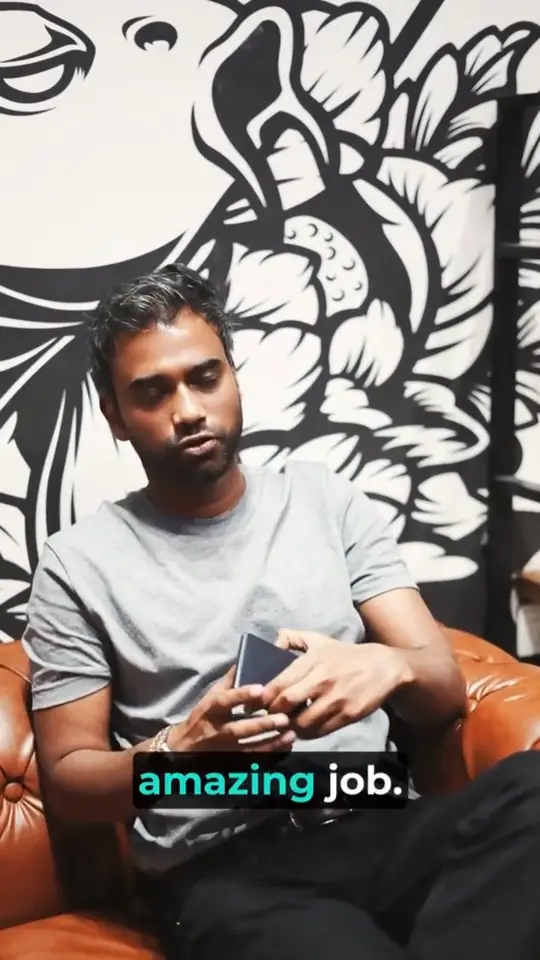
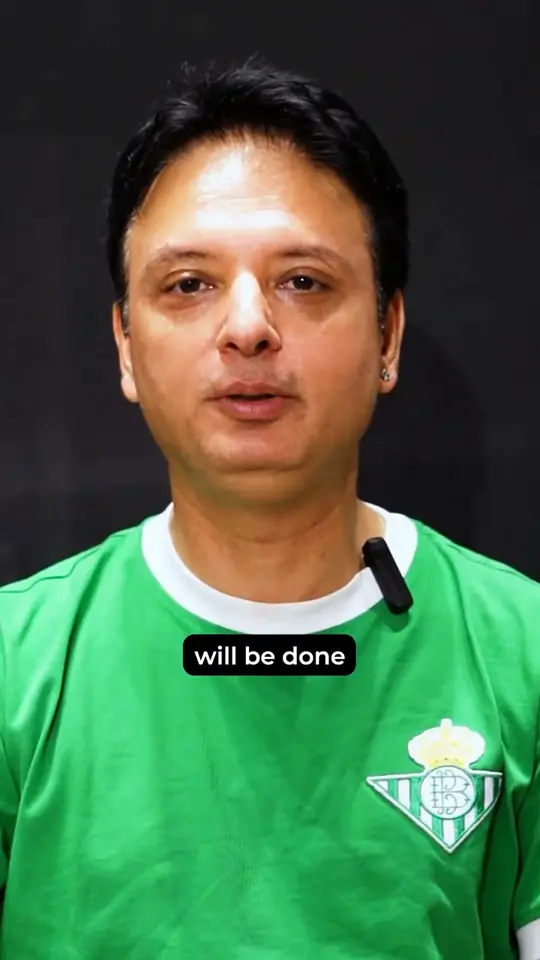
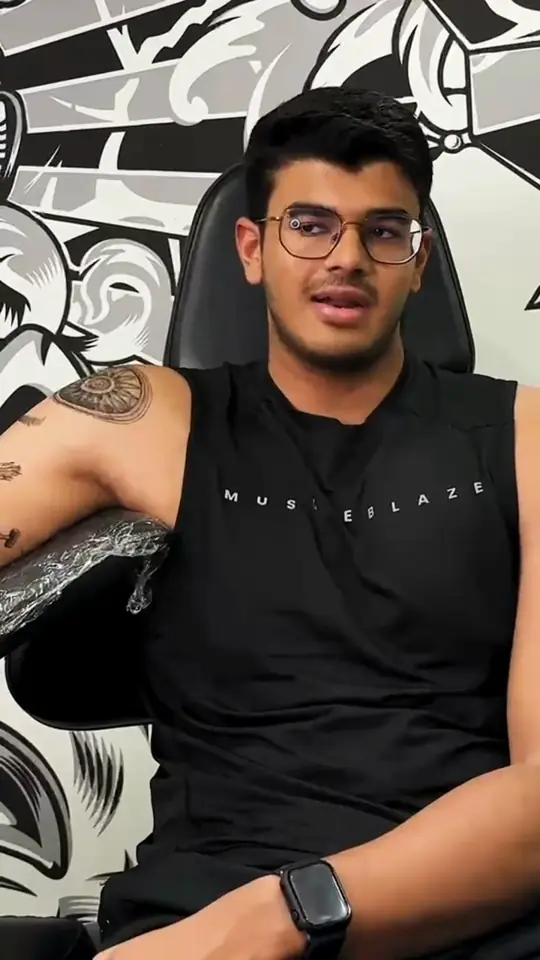
235 reviews on Google, and every single one of them is five stars. The video clips below are unscripted, straight from the chair.
5.0 ★
235 Reviews · Google
★★★★★ · 5.0 Google
“Hands down, this is one of the best tattoo studios in town. I had my tattoos done by [my tattoo artist], who is extremely talented. If you just give him the gist of what you want, he will create a one-of-a-kind work of art for you. The prices are very reasonable for the high quality of work and the top-tier products they use.”
Verified · Google · 2 months ago
★★★★★ · 5.0 Google
“I had a fantastic experience at Rebel Tattoo in M3M Urbana. The hygiene standards here are exceptional, everything is hospital-grade clean, and they open all single-use needles right in front of you. I couldn’t be happier with their service and highly recommend them to anyone looking to get inked in Gurgaon.”
Local Guide · Google · 2 months ago
★★★★★ · 5.0 Google
“I went in for a scar coverup and I am so satisfied with the tattoo. Really kind staff and owner. Great pricing. Women artists are really good with their work. Especially [the female artist] who did my tattoo, she’s an expert. Really calm and gentle, I am really thankful to her for this coverup.”
Verified · Google · 1 week ago
★★★★★ · 5.0 Google
“Getting this tattoo wasn’t just about getting ink on my skin, it was about carrying one of the most important memories of my life forever. [My tattoo artist] brought this deeply personal piece to life with incredible skill and sensitivity. He never rushed the process. The attention to detail, professionalism, hygiene and genuine care shown by the entire team are second to none.”
Verified · Google · 3 months ago
★★★★★ · 5.0 Google
“Getting my first tattoo at Rebel Tattoos was an incredible experience. I was a little nervous going in, but both the owner and my tattoo artist made me feel completely comfortable. The attention to detail was exceptional, and I was pleasantly surprised by how painless the entire experience was. The final tattoo turned out even better than I had imagined.”
Verified · Google · 6 weeks ago
★★★★★ · 5.0 Google
“My sister and I got sibling tattoos at Rebel. Absolutely loved how our experience was curated for us and how the tattoo idea was brought to life. [Our female tattoo artist] was amazing, and her inputs on our idea made our tattoos look way better than what we expected. The warm and happy vibe Rebel has instantly makes you feel at ease.”
Verified · Google · 3 months ago
Watch the unscripted reviews
11 / Visit
Visit us in Gurgaon
Sector 67, M3M Urbana
In Sector 67, M3M Urbana, on Golf Course Extension Road. Open seven days a week, appointments preferred.
Studio · Sector 67
M3M Urbana
R03/20, M3M Urbana, Sector 67
Golf Course Extension Road
Ramgarh, Gurgaon, Haryana 122101
Golf Course Extension Road
Ramgarh, Gurgaon, Haryana 122101
Hours
Mon - Sun
12 PM to 9 PM
Book a Free Consultation
Bring your idea.
We'll do the rest.
12 / FAQs
Tattoo price in Gurgaon
questions people ask
How much does a tattoo cost in Gurgaon?
At Rebel a small tattoo starts from ₹2,400 for a one-inch piece, and that already includes the ₹1,500 studio setup. Beyond that the price depends on the size, the placement, how much detail the design carries and whether it is black and grey or colour. Across Delhi NCR, small tattoos typically run ₹2,500 to ₹4,000 and per square inch rates run ₹500 to ₹1,500.
How is tattoo pricing calculated in India?
Three, plus a fixed charge. The three methods are a per square inch rate, an hourly rate and a per session rate for a full day of five to six hours. On top of whichever applies sits the one-time setup cost. Ask which one you are being quoted on, because two studios quoting different ways cannot be compared directly.
What is a tattoo setup cost and what does it cover?
A one-time charge that pays for building your sterile station: single-use tubes and grips, ink caps, razors, cling film, gloves, the dermal wrap for your healing tattoo, and the autoclave cycle. The ink, the cartridges and the artist’s time are charged separately. At Rebel the setup cost is ₹1,500.
Why do tattoo prices vary so much between studios?
Four things. Where the studio is, because rent and salaries differ by city. Who is holding the machine, and how many years and awards are behind them. What goes into your skin, since imported EU REACH compliant ink and medical-grade cartridges cost several times the cheapest options. And what happens between clients, meaning how often the film, sheets and gloves are actually changed. None of that is visible in the price, and the last one decides whether you get an infection.
Which pricing method will I be charged?
Whichever comes out lowest for your piece. Your artist works out all three and quotes you the cheapest. A large simple design covers many square inches but is little work, so it goes hourly or by session. A small dense piece of colour realism is hours of work in a tiny area, so it goes per inch.
Is it cheaper to book a session or pay by the hour?
For anything approaching a full day, a session works out cheaper than paying by the hour. Your artist works out both and puts you on whichever costs less, which for a full day of work is almost always the session rate. A small piece usually comes out lowest per square inch.
Do you offer discounts on tattoos?
There is genuine room to move on a large piece, on several tattoos taken in one sitting, on a group coming in together, and on couples or siblings getting matched work, because those bookings cost the studio less per hour of chair time. Students are considered separately. What we will not do is price against a studio charging ₹500 a square inch, because that gap is not margin, it is what goes into your skin.
Do I have to pay a deposit or an advance?
The consultation is free. An advance of twenty per cent is asked only if you want a specific date, time and artist blocked for you, or if we are drawing a custom design before your appointment, because hours of the artist’s work happen before a needle is picked up. If you would rather walk in on the day and take your chances on availability, that is fine too.
Does a cover-up cost more than a new tattoo?
Yes, for four reasons. The design work is far longer because the artist has to study what is being covered first. It has to go darker, so more ink. It has to be larger than the piece it hides, because you cannot conceal something at its own size. And it goes to the studio’s cover-up specialist. Send a photograph on WhatsApp and you will get an honest answer about what is possible before you come in.
Are touch-ups really free?
Yes, on every piece we do. The only exception is fingers and back of the hand tattoos. They take daily washing, sun and constant wear, so they fade whatever anyone does. We tell you that before you sit down, and touch-ups on those two placements are not included.
Does my skin tone change the design or the price?
It changes the design and the technique rather than the rate. On deeper skin tones, deep reds, rich purples, forest greens, royal blues and black hold and read well, while pastels and pale yellows have too little contrast and look faded even when the ink is placed correctly. The ink also needs packing more densely, and needle depth matters more, because deeper skin is more prone to hyperpigmentation and keloid scarring if it is overworked.

